Teaching Philosophy
- Home
- Teaching Philosophy
“The classroom, with all its limitations, remains a location of possibility. In that field of possibility we have the opportunity to labor for freedom, to demand of ourselves and our comrades, an openness of mind and heart that allows us to face reality even as we collectively imagine ways to move beyond boundaries, to transgress. This is education as the practice of freedom.”.
— bell hooks
Academic Portfolio
Teaching Philosophy
My teaching is grounded in the belief that learning is relational, multimodal, and situated within the cultural and social worlds students inhabit. I design courses as pedagogical environments where students engage not only with texts, but with objects, spaces, and one another—developing the capacity to read, interpret, and question the world around them.
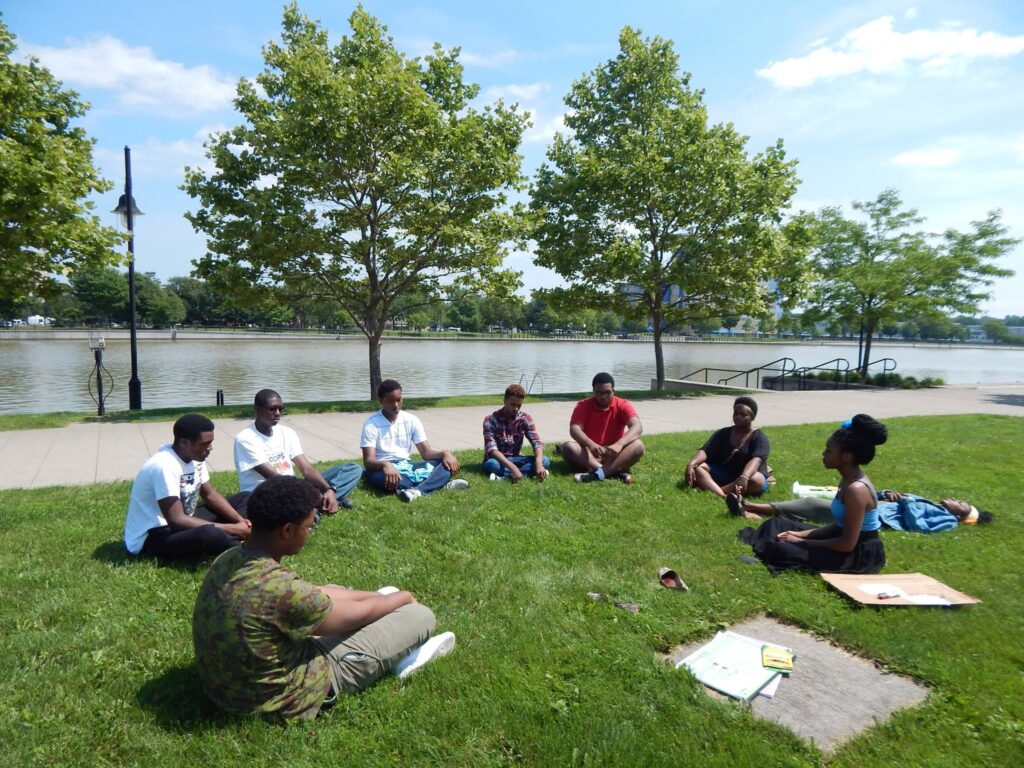
Across my recent teaching, I have centered object-based and place-based inquiry as key methods. In my courses, students move beyond the classroom to examine literacy in everyday environments—museums, grocery stores, public transit systems, and digital platforms—asking: What counts as text? Who is centered? What forms of knowledge are being valued or obscured? In grocery stores, for example, students analyze labeling, language access, pricing structures, and spatial organization as forms of cultural and economic communication. These experiences position students as researchers of their own environments, expanding their understanding of literacy as visual, spatial, and embodied.
My pedagogy is both multimodal and dialogic. I integrate visual analysis, reflective writing, discussion-based learning, and experiential activities such as gallery walks, literacy observations, and collaborative interpretation. These approaches support students in developing critical and creative capacities while also fostering a classroom culture grounded in respect, intellectual rigor, and active participation. Peer observations and student feedback from the past year consistently highlight high levels of engagement and the ways students are challenged to think deeply while feeling supported in their learning.
I approach teaching as a form of world-building. Each course is structured as a curriculum that holds knowledge, values, and ways of seeing. Drawing on critical pedagogy, Black studies, and arts-based research, I invite students to examine how knowledge is constructed and to consider their own positions within these processes. This includes attending to questions of access, belonging, and representation—particularly in relation to cultural institutions and everyday spaces.
At the same time, I remain attentive to clarity and accessibility in my instruction. My recent reflections have pushed me to make learning goals and expectations more explicit while maintaining the intellectual openness that allows for inquiry and discovery. This balance—between structure and exploration—is central to my teaching practice.
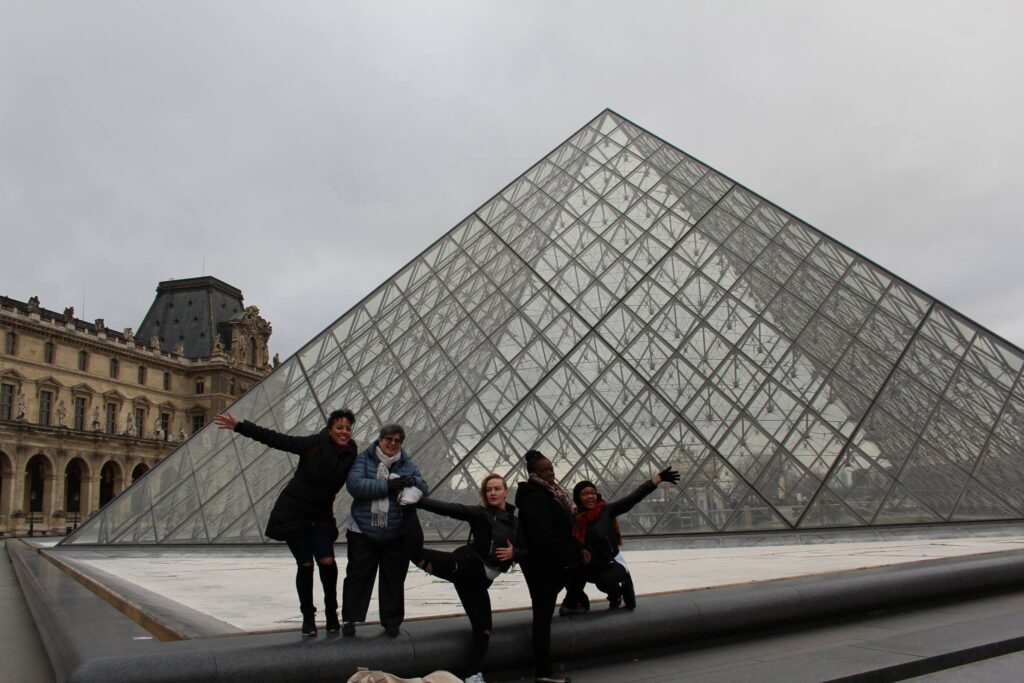
Collaboration is also fundamental to my approach. I extend learning beyond the classroom through partnerships with cultural institutions and engagement with artists, educators, and community practitioners. These experiences allow students to encounter ideas in practice and to see themselves as participants in broader cultural and intellectual conversations.
Ultimately, my goal is to cultivate learning environments where students develop the ability to think critically, engage across difference, and approach knowledge with curiosity and responsibility. I see teaching as an evolving, reciprocal practice—one that is shaped through ongoing reflection, dialogue, and a commitment to creating meaningful and transformative educational experiences.
My academic training—spanning curriculum and teaching, communications, and the arts—along with continued professional development in embodied and culturally responsive pedagogies, informs this work. Together, these experiences support my commitment to designing learning environments that are rigorous, inclusive, and responsive to the complexities of contemporary education.